
The Nature of Luck in Gambling
Luck is often viewed as an unpredictable force that can sway the outcome of various situations, and gambling is no different. In a casino setting, luck is frequently the primary element that players rely on to win. Games such as slots and roulette exemplify this randomness, where outcomes are determined by chance, and players have little to no control over the results. The allure of hitting a jackpot or making the right bet on a roulette table reinforces the belief that instant casino withdrawal time can play a significant role in determining a player’s fate.
However, the perception of luck is often complicated by myriad factors, including player psychology and the inherent design of casino games. For instance, while a player may feel they are “on a roll,” their streak of wins may be purely coincidental rather than a sign of favorable luck. This dichotomy between the belief in luck and the reality of mathematical probabilities can create a fascinating dynamic in the casino atmosphere, captivating players and leading them to engage more deeply with the games.
Moreover, the concept of luck can manifest in different ways depending on the type of game played. In skill-based games like poker, the role of luck is still significant, but player expertise and strategy weigh heavily on outcomes. Consequently, while luck can initiate a surge of fortune, skillful players have the potential to influence their fate far more than in purely chance-based games. This interplay creates a complex relationship where luck and skill coexist, often leading to varying interpretations of what it means to be “lucky” in a casino setting.
The Role of Probability in Casino Games
Understanding probability is essential for anyone looking to navigate the world of gambling strategically. Each game in a casino is designed with specific odds, providing players with a statistical framework to assess their potential outcomes. For example, games like blackjack and baccarat have defined probabilities influenced by the number of decks used and the rules governing play. This inherent structure contrasts with the overarching notion of luck, suggesting that informed decisions can have a tangible impact on results instead.
Players who familiarize themselves with the statistical probabilities associated with different games may find themselves better equipped to make informed bets. Taking the time to analyze the odds of winning or losing can often lead to a more strategic approach, demonstrating that while luck plays its part, it is probability that forms the backbone of any successful gambling experience. Understanding the nuances behind probabilities can also help manage expectations, aligning them more closely with the mathematical realities of the games.
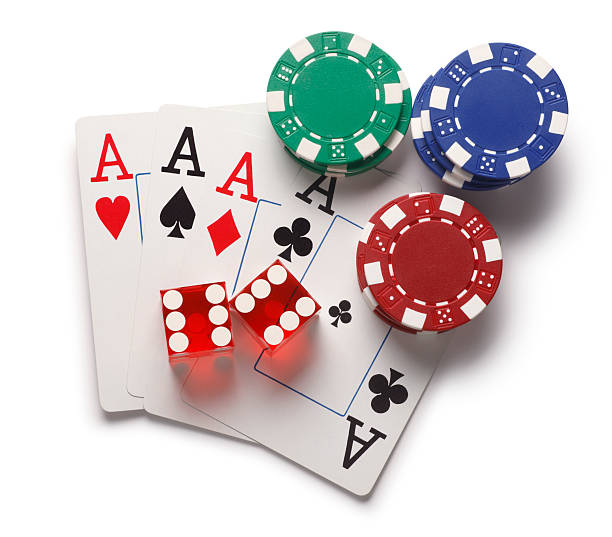
Furthermore, the concept of variance in gambling underscores the unpredictability often associated with luck. Variance measures how much a player’s results can differ from the expected outcome based on probability. For instance, a player may experience several losses in a row, leading to the impression that luck has completely abandoned them. In reality, this is simply variance at play, showcasing how fortune can ebb and flow in ways that might feel arbitrary. This understanding can mitigate the emotional rollercoaster often associated with gambling, helping players maintain a more balanced perspective when outcomes do not align with their hopes.
The Psychological Aspect of Luck in Casinos
Psychology plays a central role in the way players perceive luck and make decisions in a casino. The phenomenon known as the “gambler’s fallacy” illustrates how individuals can misconstrue probability based on previous outcomes. For example, if a player observes that a particular number has not come up in a while on a roulette wheel, they may irrationally believe that it is “due” to hit soon. This flawed reasoning can lead to misguided betting strategies based on emotion rather than logic.
The environment of a casino itself can amplify these psychological effects. The colorful lights, engaging sounds, and euphoric atmosphere foster an emotional experience that can make players feel more optimistic about their chances of winning. These sensory stimuli can enhance the belief that luck is on their side, encouraging them to take risks they might otherwise avoid. This psychological manipulation emphasizes how perception can dramatically shape a player’s betting behavior and overall experience.
Moreover, social factors can also influence how luck is perceived at the tables. Players often discuss their experiences with luck among friends or other patrons, reinforcing the idea that luck is a tangible force within the casino. These narratives can create a sense of community and shared experience but may also perpetuate misconceptions about how luck truly works in relation to skill and probability. Recognizing the interplay between social dynamics and individual psychology can help players remain grounded in their approach to gambling.
Strategies for Managing Luck in Casinos
While luck remains an unpredictable element in the casino landscape, players can adopt strategies to help manage its impact. One effective approach is setting strict limits on time and money spent while gambling. By determining ahead of time how much to wager or how long to play, individuals can create a safety net against the whims of luck. This proactive mindset encourages responsible gambling and helps mitigate the emotional fallout of unforeseen losses.

Another strategy for managing luck involves choosing games that align with a player’s skill set. Opting for games where strategy plays a pivotal role, such as poker or blackjack, allows participants to exert more control over their outcomes. Developing a solid understanding of game mechanics and honing skills can enhance the player’s likelihood of success, transforming the narrative around luck from one of surrender to one of engagement and agency.
Lastly, embracing a mindset focused on enjoyment rather than solely winning can profoundly influence a player’s experience. When individuals approach gambling as a source of entertainment rather than a means to an end, they are less likely to feel disheartened by their losses. This shift in perspective allows players to appreciate the thrill of playing without becoming overly attached to the outcomes, creating a healthier relationship with the often unpredictable world of luck in casinos.
Understanding Casino Dynamics and Player Experience
The casino environment is specifically designed to maximize engagement and influence player behavior. From the layout of the games to the strategic placement of lights and sounds, each element plays a role in fostering a sense of excitement and possibility. This dynamic setting amplifies the feelings of luck, drawing players into a world where anything seems possible. Understanding these elements can empower players to navigate their casino experiences more mindfully.
Additionally, the social aspect of gambling cannot be overlooked. Interacting with other players or dealers can enhance the overall experience, leading to a perception of camaraderie that might boost confidence and evoke feelings of luck. Engaging in conversations about strategies or sharing stories of wins and losses can foster a communal spirit that encourages players to take chances they might shy away from in solitude.
Ultimately, recognizing the multifaceted nature of luck within the casino context can enhance a player’s understanding of what it means to gamble. The interplay between luck, skill, probability, and psychology creates a rich tapestry that defines the gaming experience. By appreciating these dynamics, players can navigate their adventures in casinos with a greater sense of awareness, making informed choices that complement the unpredictable nature of chance.